Organized Planting Areas Built for Your Space
Custom Planter Box in East New Market for properties that need contained growing areas or decorative plant displays tailored to specific dimensions
Signature Lawn & Landscape builds custom planter boxes in East New Market when you need raised planting areas that fit specific spaces, improve drainage, or organize plants in a way that standard containers cannot. You may want to grow herbs and vegetables near your kitchen door, create a visual border along a walkway, or add seasonal color to a patio without digging into the ground. Custom planter boxes let you control soil quality, root depth, and placement, and they work on surfaces where in-ground planting is not possible or practical.
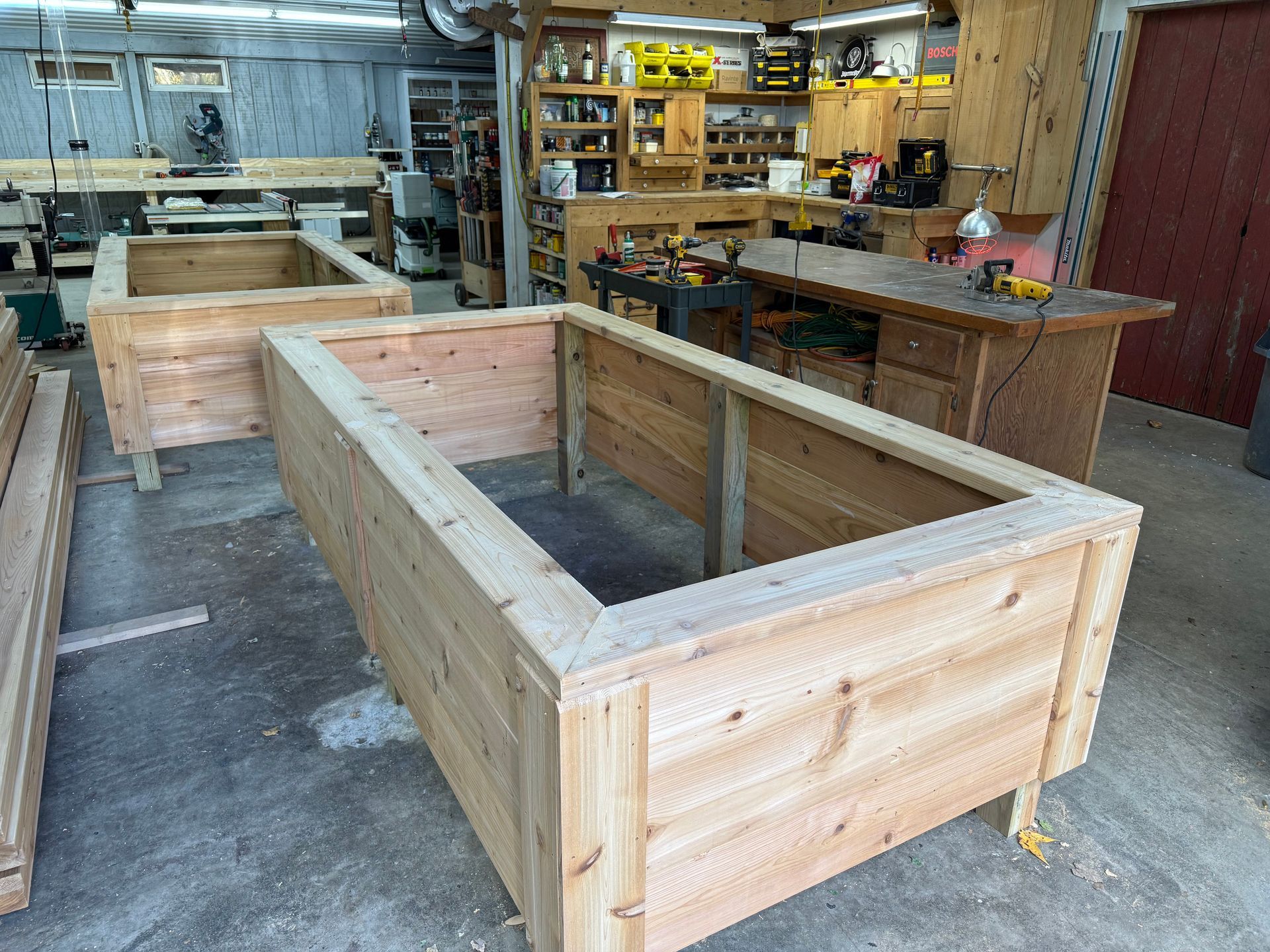
Planter box construction begins with measuring the intended location and determining the size, height, and material that will support the plants you want to grow and withstand outdoor exposure. The boxes are built with drainage in mind, often including gaps or holes in the bottom to prevent water from pooling and rotting plant roots. Materials such as cedar, composite, or treated lumber are selected for durability and resistance to moisture, insects, and temperature swings. The boxes are assembled on-site or delivered ready to install, then filled with soil and planted according to your preferences.
Reach out to discuss custom planter box designs and schedule a consultation to review dimensions, materials, and placement options for your property.
What You See After the Planter Boxes Are Installed
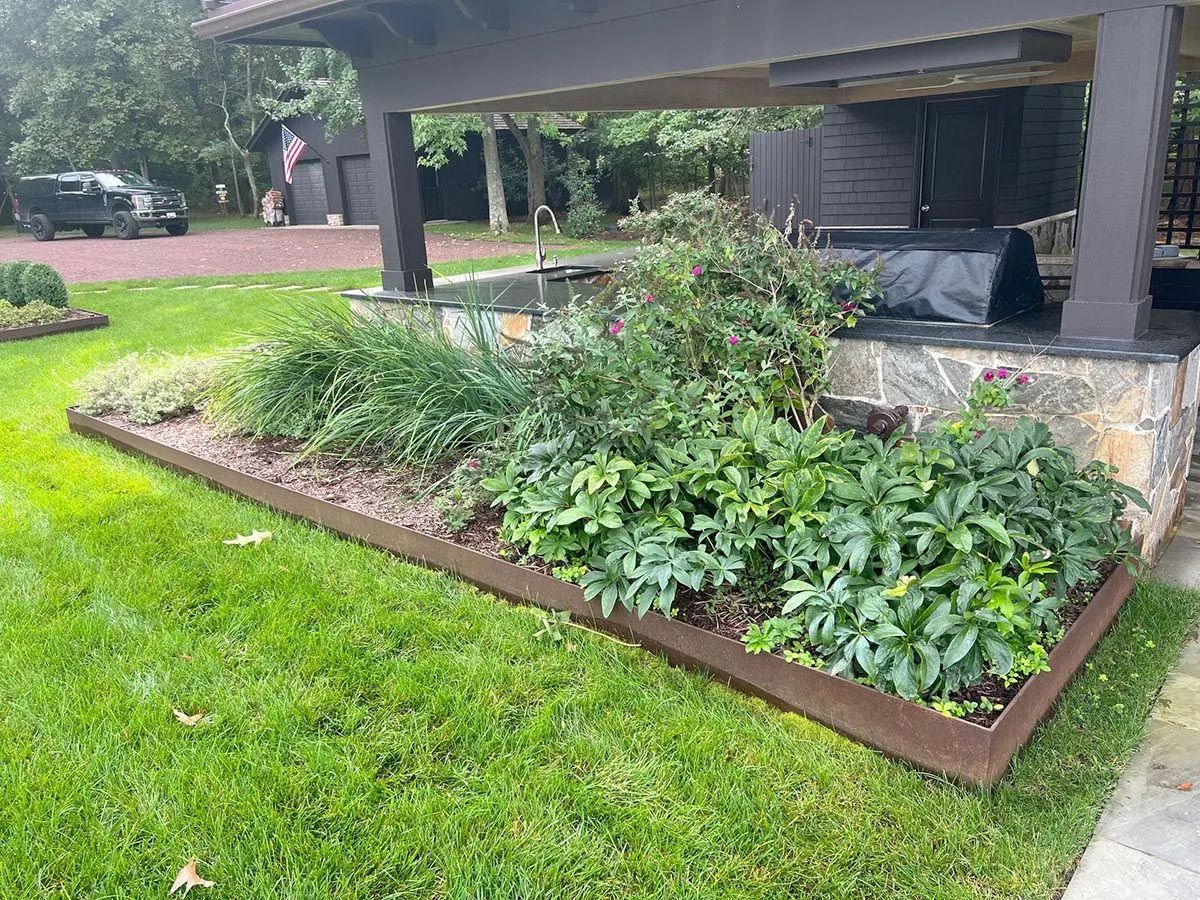
Once the planter boxes are in place, you will see raised growing areas that sit at a consistent height and hold soil without spilling or shifting. The boxes create clean edges that separate planted areas from walkways, patios, or lawn, and they allow you to position plants exactly where you want them without regrading or digging.
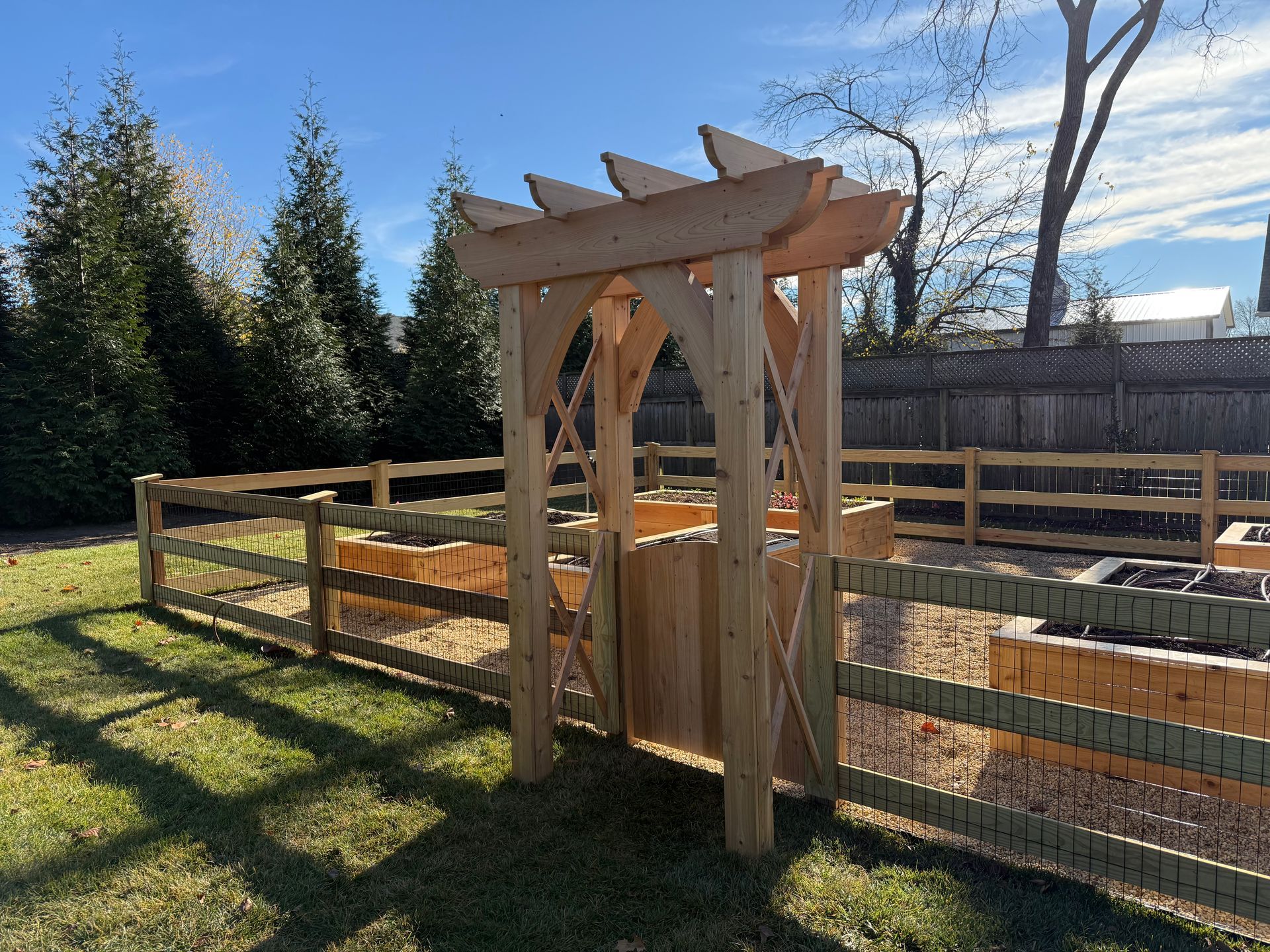
Signature Lawn & Landscape builds planter boxes that integrate with your existing landscape and hardscaping, whether arranged in rows along a fence line, clustered on a deck, or used as freestanding accents near an entrance. You will notice improved plant health compared to in-ground beds in areas with poor native soil, and the raised design makes planting, watering, and harvesting easier without bending to ground level. The boxes also warm up faster in spring, extending the growing season slightly for early crops.
The construction is sturdy enough to handle the weight of wet soil and mature plants without bowing or splitting, and corners are reinforced to prevent joints from separating over time. Planter boxes do not require footings, but they should sit on stable surfaces or be leveled to prevent tipping. These are functional growing containers built to last multiple seasons, not temporary decorations.
Planter Box Design and Use Considerations
Custom planter boxes offer flexibility in where and how you grow plants, but their effectiveness depends on thoughtful design and material choices.
What size should a custom planter box be?
Depth is most critical: vegetable and flower roots typically need at least twelve inches of soil, while shallow-rooted herbs can grow in six to eight inches, and width and length are adjusted to fit your available space and planting plan.
How does drainage work in a raised planter box?
Boxes include drainage holes or gaps along the bottom to allow excess water to escape, preventing root rot and soil saturation, and placing a layer of gravel or landscape fabric inside can improve drainage further.
Why choose custom planter boxes instead of in-ground beds?
Custom boxes give you control over soil quality, prevent weeds from invading from surrounding ground, and allow planting on patios, decks, or areas with poor or compacted native soil common in parts of East New Market.
What materials hold up best for outdoor planter boxes?
Cedar and composite materials resist rot and insect damage better than untreated wood, and they handle repeated wetting and drying cycles without warping or deteriorating quickly.
When should planter boxes be filled and planted?
Boxes are typically filled with soil and planted in spring after the last frost, though you can prepare them earlier and cover the soil until planting time, and fall planting works for perennials and cool-season crops.
Get in touch with Signature Lawn & Landscape to request custom planter boxes designed for your space and planting goals.