Shade and Structure Where You Gather Outdoors
Pergolas in East New Market for patios and gardens that lack defined overhead structure or relief from direct sun
Signature Lawn & Landscape designs and installs custom pergolas in East New Market when you want to add usable shade, architectural interest, or a clear focal point to your outdoor living areas. You may have a patio that feels exposed and uncomfortable during midday heat, a garden path that needs vertical definition, or a seating area that lacks a sense of enclosure. A pergola creates overhead structure without fully blocking light or airflow, and it can support climbing plants, outdoor lighting, or fabric panels depending on how you plan to use the space.
Pergola installation begins with site evaluation to confirm the structure fits your intended location, complements existing hardscaping, and anchors securely to the ground or an adjacent surface. Posts are set in concrete footings or bolted to a patio or deck, then topped with crossbeams and rafters that form the open roof grid. The spacing and orientation of the rafters affect how much sunlight filters through and where shadows fall during different times of day. Materials such as wood or composite are selected based on durability, maintenance preferences, and how the structure will age in outdoor conditions.
Schedule a consultation to review your property layout and discuss custom pergola designs that match your functional and aesthetic goals.
What Your Outdoor Space Looks Like After Installation
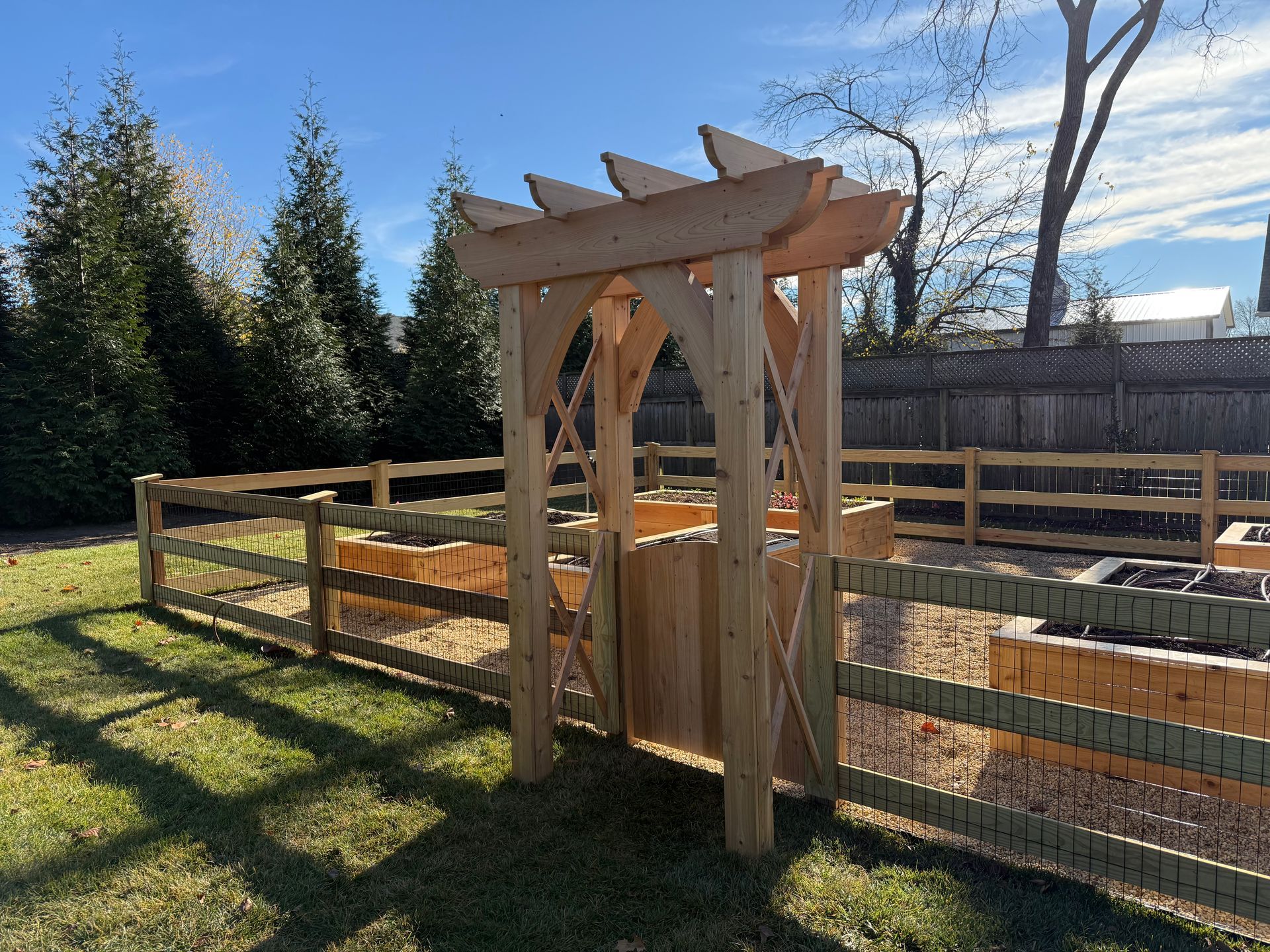
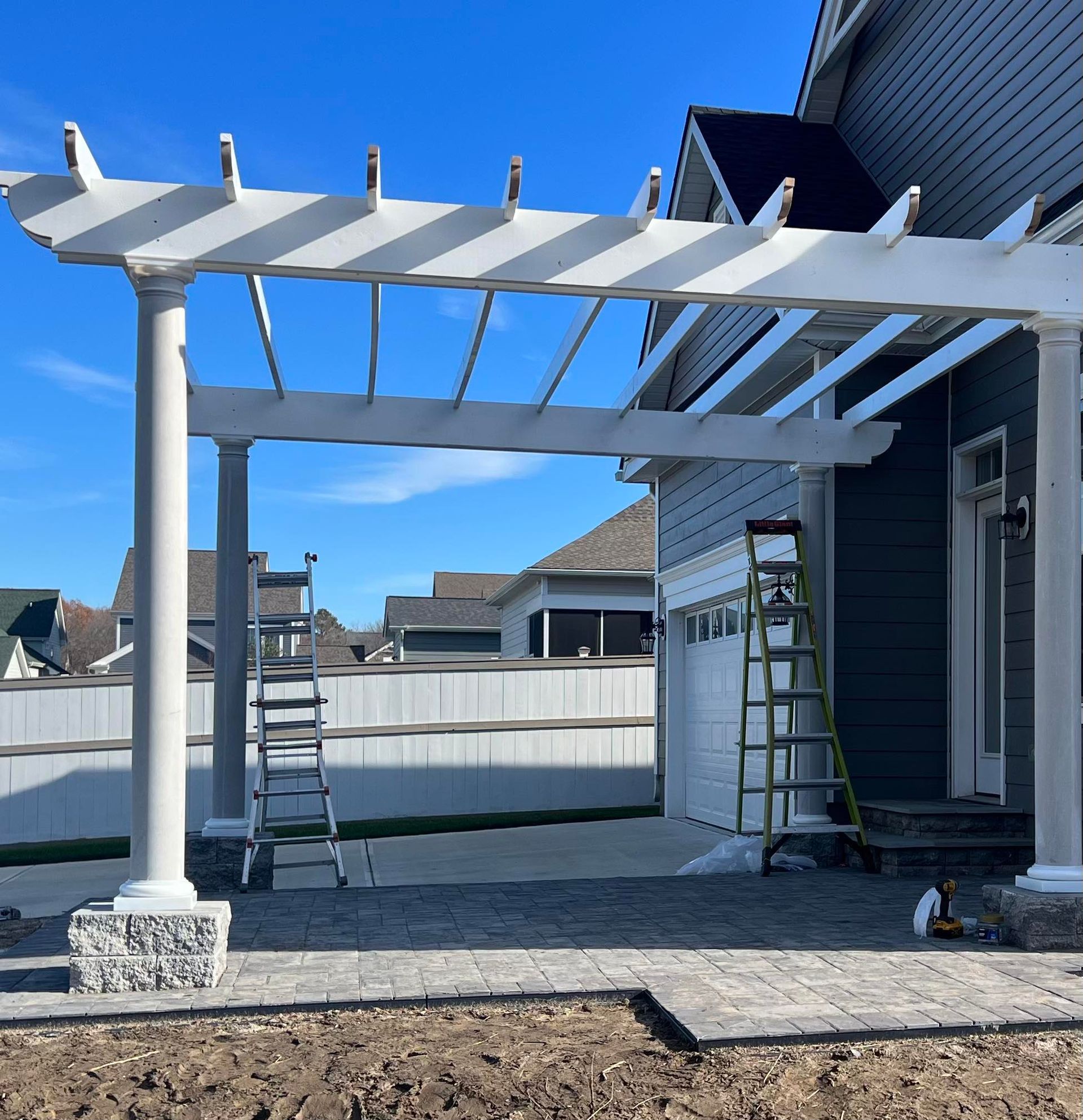
Once the pergola is built, you will see a freestanding or attached structure with vertical posts and an open slatted roof that casts patterned shade across the ground below. The overhead beams create a defined ceiling plane without blocking sky views or completely covering the area, and the posts frame the space in a way that makes it feel intentional and organized.
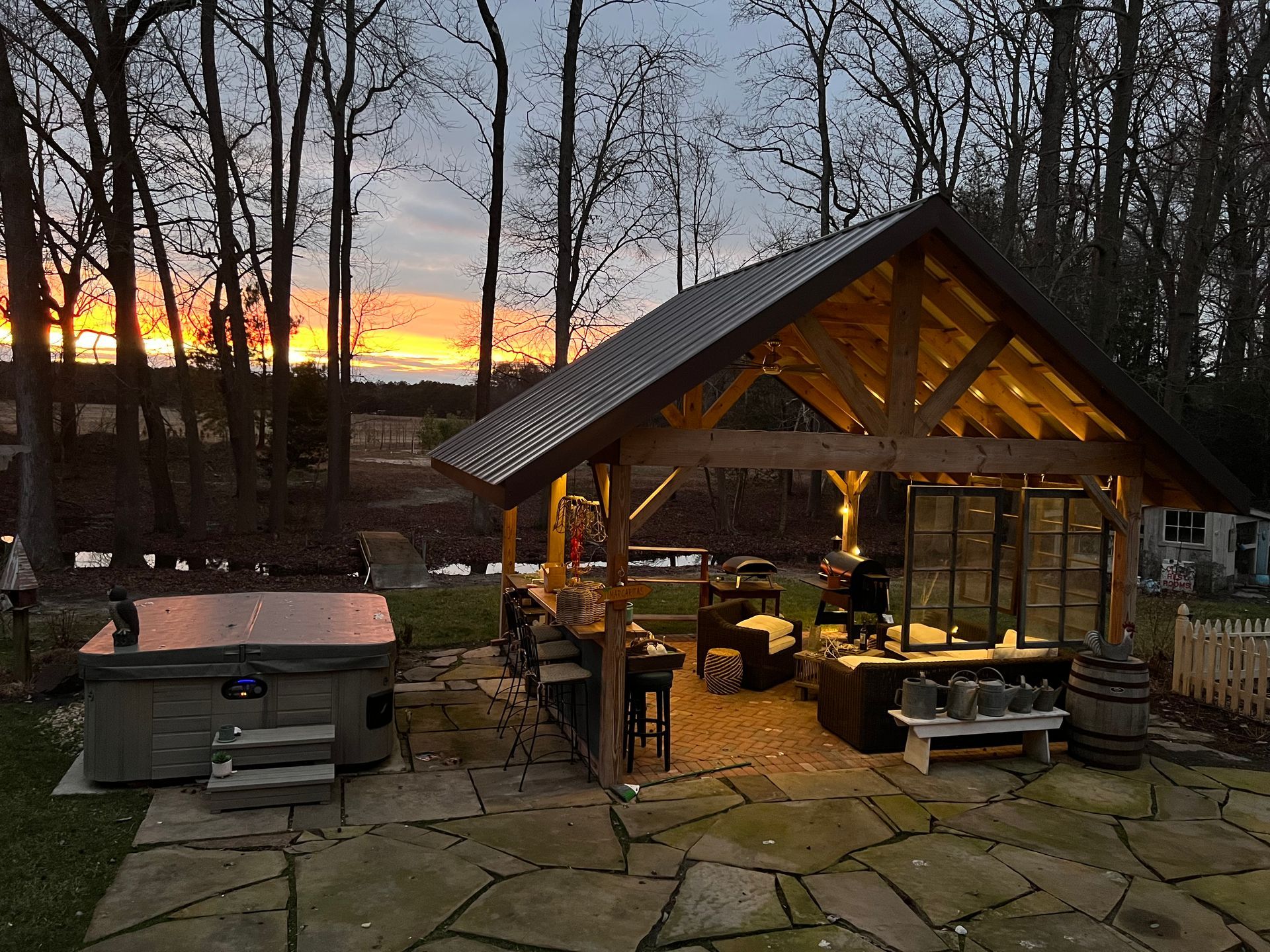
Signature Lawn & Landscape builds pergolas that integrate with your existing landscape, whether positioned over a patio, centered in a garden bed, or attached to the side of your home. You will notice cooler temperatures in the shaded area during sunny afternoons, and the structure provides attachment points for string lights, hanging plants, or retractable canopies that let you adjust coverage as needed. The pergola becomes a gathering point that draws people outside and makes your yard feel more finished and functional.
The construction is built to withstand wind and weather without shifting or warping, and fasteners are concealed or finished to match the overall design. Pergolas do not require foundations as extensive as full roofed structures, but the posts must still be anchored properly to resist lateral forces. This is outdoor carpentry that performs a specific role in how you use your property, not just decoration.
Common Questions About Pergola Design and Use
Understanding how a pergola functions and what it adds to your property helps you make informed decisions about design and placement.
What is the difference between a pergola and a gazebo?
A pergola has an open slatted roof that provides partial shade and allows airflow, while a gazebo typically has a solid roof and is fully enclosed or partially walled, offering more protection from sun and rain.
How much shade does a pergola actually provide?
The amount of shade depends on rafter spacing, orientation, and time of day, and you can increase coverage by adding climbing vines, fabric panels, or a retractable canopy to the structure.
Why does pergola placement matter for usability?
Positioning the structure where you already spend time outdoors, such as over a patio or near a seating area, makes it more likely you will use the space, and orienting the rafters to block the harshest afternoon sun improves comfort in East New Market during warmer months.
What materials work best for outdoor pergolas?
Pressure-treated wood, cedar, and composite materials all perform well outdoors, with wood requiring periodic staining or sealing and composite offering lower maintenance at a higher initial cost.
When should a pergola be attached to a house versus freestanding?
Attaching a pergola to your home creates a covered transition between indoors and outdoors and may reduce the number of posts needed, while freestanding pergolas work better in open yard areas or over detached patios and garden spaces.
Contact Signature Lawn & Landscape to discuss custom pergola options and schedule a site visit to review placement and design details for your property.